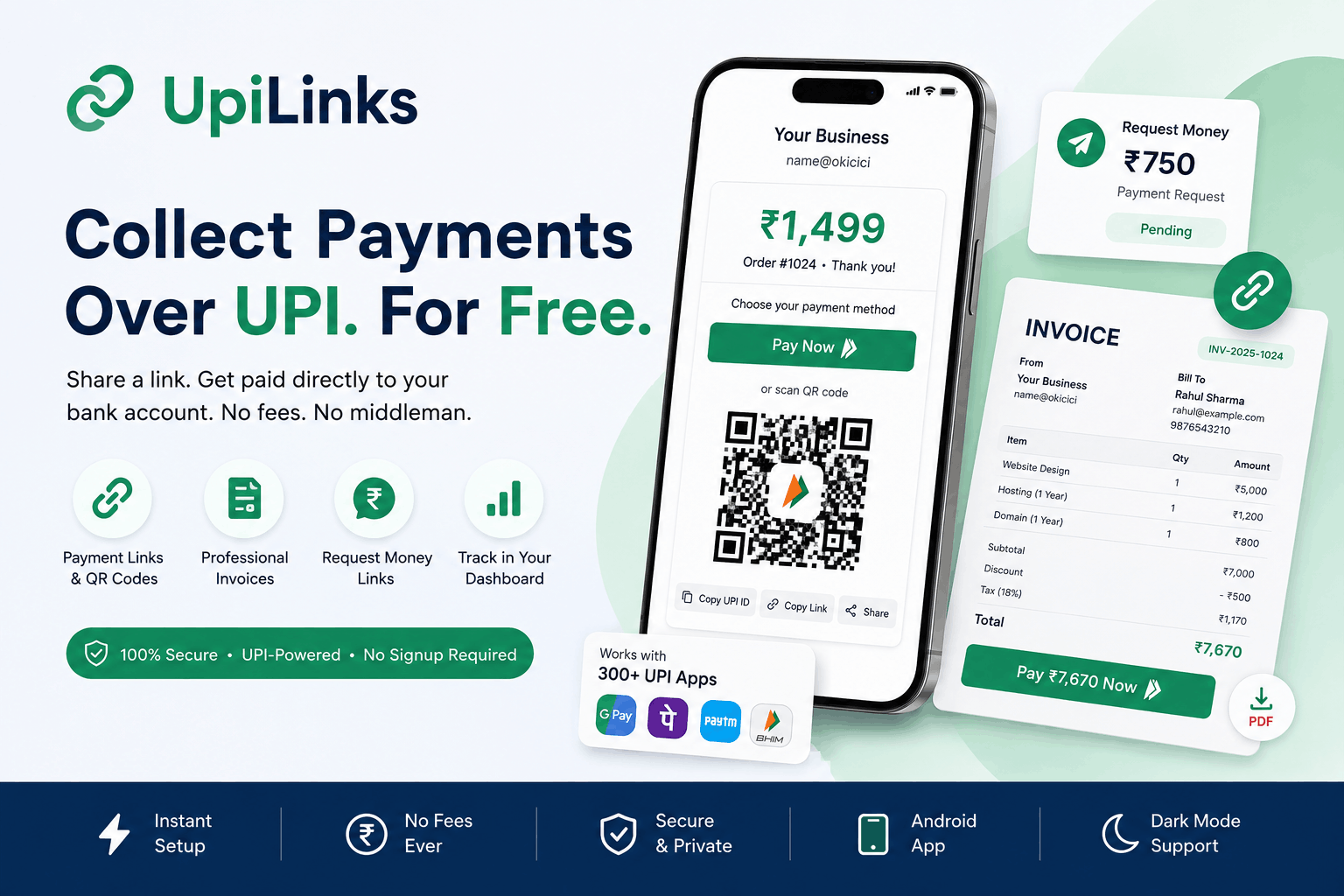
UPI’s Unstoppable Surge: Latest Headlines from India’s Digital Payments Frontier
The Unified Payments Interface (UPI) continues its phenomenal run, cementing its position not just as India’s preferred digital payment method but also as a growing force on the global stage. Recent developments highlight its increasing transaction volumes, innovative feature rollouts, and ambitious international expansion. Here’s a look at what’s making headlines today.
Record-Breaking Transaction Volumes Continue
UPI’s transactional prowess remains unmatched. The system consistently shatters its own records, processing an astonishing number of transactions each month. Latest figures indicate that UPI continues to hover around the 13-14 billion transaction mark monthly, collectively valuing trillions of rupees. This relentless growth underscores the deep penetration and widespread adoption of digital payments across various demographics in India, from urban centers to remote villages. The convenience, speed, and zero transaction fees for most consumer-to-merchant payments are key drivers of this unparalleled success.
Global Footprint Expands: France, UAE, and Beyond
The dream of UPI becoming a global payment standard is steadily turning into a reality. Recent news has prominently featured its expansion into several key international markets:
- France: A landmark moment saw UPI services launched at the iconic Eiffel Tower, enabling Indian tourists to make seamless payments in Euros. This partnership with Lyra Network marks a significant step into the European market.
- United Arab Emirates (UAE): Following earlier tie-ups, UPI-powered payments are becoming more accessible for Indian visitors and residents in the UAE, thanks to collaborations with local payment infrastructure providers.
- Sri Lanka & Mauritius: Both island nations recently integrated UPI (along with RuPay cards) into their payment ecosystems, further simplifying cross-border transactions for Indian tourists and fostering economic ties.
- Singapore: The linkage between India’s UPI and Singapore’s PayNow continues to facilitate instant, low-cost cross-border fund transfers, showcasing the potential for inter-operable payment systems worldwide.
These expansions are not just about convenience; they position UPI as a viable, secure, and efficient alternative to traditional payment rails, potentially reducing remittance costs and boosting tourism and trade.
Innovative Features Drive User Engagement
Beyond its core functionality, UPI is continuously evolving with new features designed to enhance user experience and expand its utility:
- Credit Line on UPI: The Reserve Bank of India (RBI) and NPCI have rolled out ‘Credit Line on UPI’, allowing pre-sanctioned credit lines from banks to be accessed directly via UPI. This innovation blurs the lines between credit and payments, offering users instant access to funds for transactions without needing a separate credit card.
- Tap & Pay Functionality: Similar to NFC-enabled card payments, UPI ‘Tap & Pay’ allows users to make payments by simply tapping their smartphone at a PoS terminal, making transactions even quicker and more frictionless.
- Offline Payments: Efforts to enable UPI payments in areas with limited internet connectivity are also underway, using features like ‘UPI Lite X’ and ‘Tap & Pay’ for offline transactions.
The Road Ahead for India’s Payment Juggernaut
UPI’s journey is a testament to India’s leadership in digital public infrastructure. The recent news underscores its dynamic nature – consistently growing in volume, expanding its geographical reach, and innovating with new features. As it continues to mature, UPI is not just simplifying financial transactions but also setting a global benchmark for inclusive, efficient, and real-time payment systems. The coming months are expected to bring further advancements, solidifying its role as a pivotal force in the global digital economy.