Unpacking UPI: Your Comprehensive Guide to India’s Revolutionary Instant Payment System
In an increasingly digital world, the way we manage our money has undergone a seismic shift. At the forefront of this revolution, particularly in India, stands the Unified Payments Interface (UPI). More than just another payment method, UPI is a groundbreaking system that has redefined convenience, security, and speed in financial transactions. But what exactly is UPI, and how does this technological marvel work?
What is UPI? The Backbone of India’s Digital Economy
Launched in 2016 by the National Payments Corporation of India (NPCI), UPI is an instant real-time payment system that facilitates inter-bank peer-to-peer (P2P) and person-to-merchant (P2M) transactions. Think of it as a single window for all your banking needs, allowing you to send or receive money instantly using just a smartphone.
Its primary goal was to simplify and unify multiple bank accounts into a single mobile application, eliminating the need to remember complex bank account numbers and IFSC codes for every transaction. Instead, it introduced a much simpler identifier: the Virtual Payment Address (VPA).
How UPI Works: A Seamless Flow of Funds
The magic of UPI lies in its simplicity and the robust framework behind it. Here’s a breakdown of how it operates:
-
Linking Your Bank Account(s)
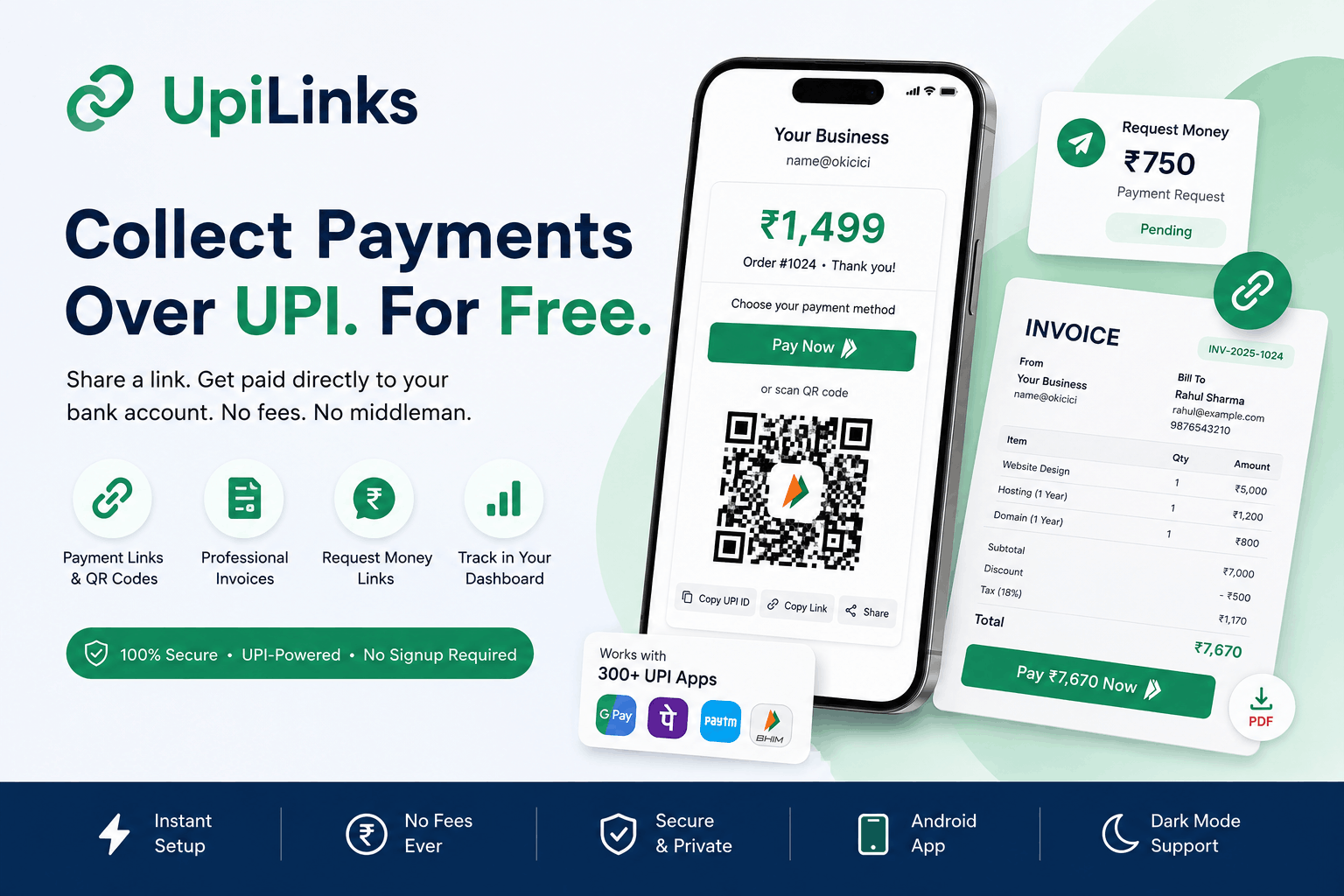
To use UPI, you first need to link your bank account(s) to a UPI-enabled application (e.g., Google Pay, PhonePe, Paytm, BHIM, bank-specific apps). This process usually involves verifying your mobile number (registered with your bank account) and setting up a unique 4 or 6-digit UPI PIN, which acts as your digital signature for transactions.
-
The Virtual Payment Address (VPA)
Instead of sharing your sensitive bank account details, UPI uses a unique identifier called a VPA, or UPI ID (e.g., yourname@bankname or yournumber@paymentapp). This VPA is linked to your bank account, making it easier and safer to send or receive money without revealing personal financial information.
-
Initiating a Transaction
When you want to send money, you simply open your UPI app, enter the recipient’s VPA (or scan their QR code), input the amount, and confirm the transaction using your UPI PIN. For receiving money, you can share your VPA, and the sender can initiate a push payment to your ID.
-
The Role of NPCI and Banks
Once you initiate a transaction, your UPI app sends a request to NPCI. NPCI then communicates with the sender’s bank to debit the amount and the recipient’s bank to credit the amount. All this happens in real-time, often within seconds. The UPI PIN authenticates that you are indeed the owner of the account and authorizes the transaction.
-
Instant Confirmation
Both the sender and receiver receive instant confirmation of the successful transaction via the app and often through SMS from their respective banks.
Key Features and Benefits
- 24/7 Availability: Unlike traditional banking hours, UPI operates around the clock, every day of the year, including holidays.
- Interoperability: You can use any UPI-enabled app to send money to any bank account linked with UPI, regardless of the recipient’s bank or app.
- Security: Transactions are highly secure, protected by multi-factor authentication, including device binding and the mandatory UPI PIN for every payment.
- Ease of Use: With VPA and QR code scanning, sending money is as simple as sending a text message.
- Financial Inclusion: UPI has brought millions into the digital payment ecosystem, including those who previously relied solely on cash.
The Impact
UPI has not only streamlined personal transactions but has also empowered small businesses and merchants by offering a low-cost, instant payment acceptance method. It has significantly contributed to India’s push towards a cashless economy, fostering innovation and making financial services accessible to a broader population. As UPI continues to evolve, it remains a testament to the power of digital innovation in transforming everyday finance.