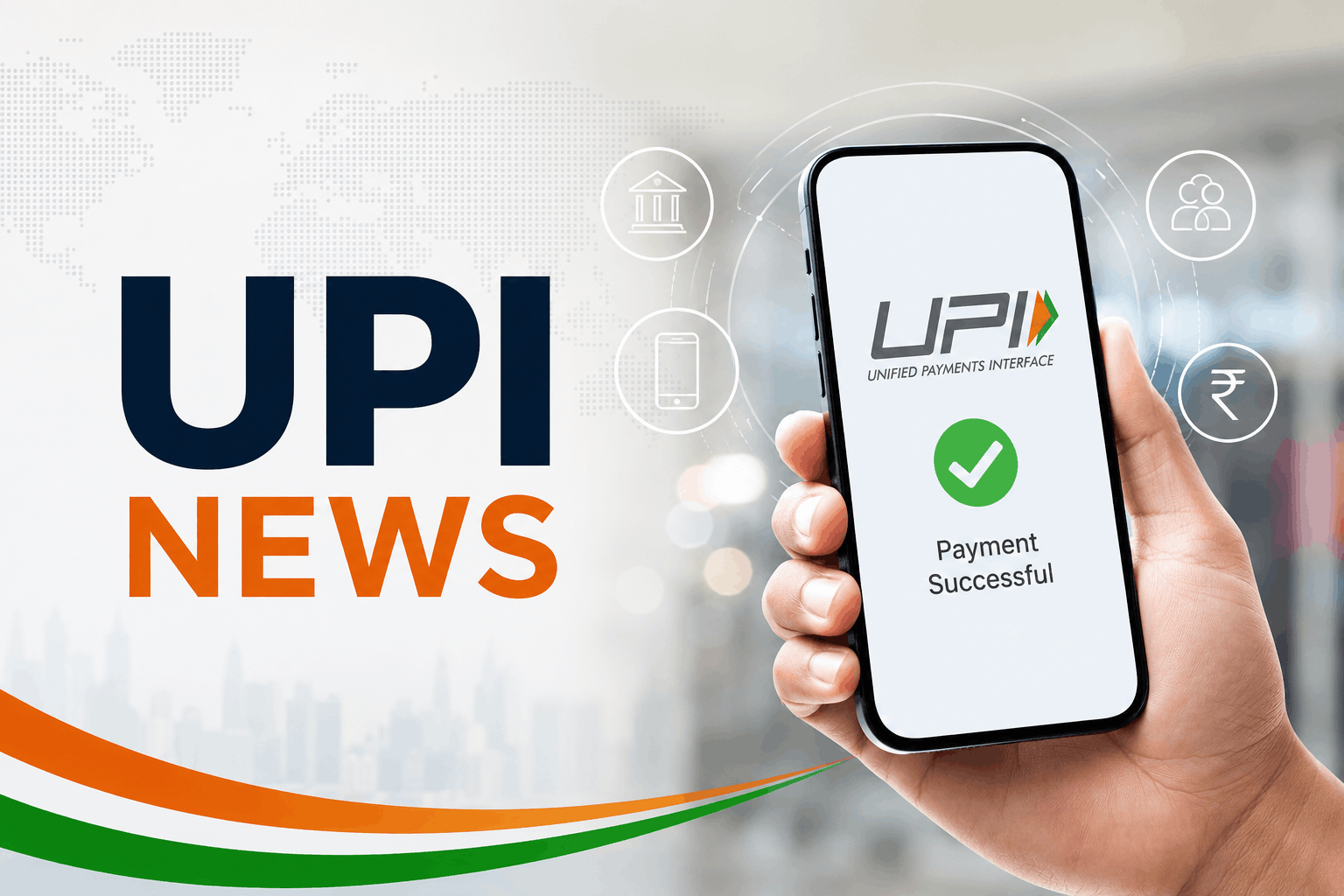
In the dynamic landscape of India’s digital economy, the Unified Payments Interface (UPI) continues to be a headline-maker. What started as a revolutionary payment system has now become an indispensable part of daily life for millions, and today’s news only solidifies its position as a global trailblazer.
Latest reports consistently highlight UPI’s astounding transaction volumes, frequently breaking its own records month after month. This relentless growth isn’t just about numbers; it reflects a profound shift in consumer behavior, where cash is increasingly making way for instant, secure, and seamless digital payments. From street vendors to large retail chains, the QR code-based system has democratized access to digital finance, fostering greater financial inclusion across the nation.
Beyond domestic triumphs, UPI is making significant strides on the international stage. Recent collaborations and agreements with countries like France, Singapore, and the UAE are testament to its robust architecture and universal appeal. These partnerships are not only facilitating cross-border transactions for Indian travelers and NRIs but are also positioning UPI as a blueprint for other nations seeking to modernize their payment infrastructures. This global embrace signifies India’s growing influence in the fintech world.
Innovation remains at the core of UPI’s success. Features such as UPI Lite for small-value offline transactions, ‘Tap & Pay’ for contactless payments, and the burgeoning ‘credit line on UPI’ are continuously enhancing user convenience and expanding its utility. These advancements ensure that UPI remains ahead of the curve, adapting to evolving user needs and technological trends.
As UPI continues its unstoppable march, its impact reverberates across various sectors – boosting e-commerce, empowering small and medium enterprises (SMEs), and streamlining government disbursements. Today’s UPI news isn’t just about technology; it’s about empowerment, economic growth, and India’s bold vision for a cashless, digitally-driven future.